Guide To Water Leak Discovery In The House
Call TodayHave you been trying to find critical information about Detecting hidden plumbing leaks?
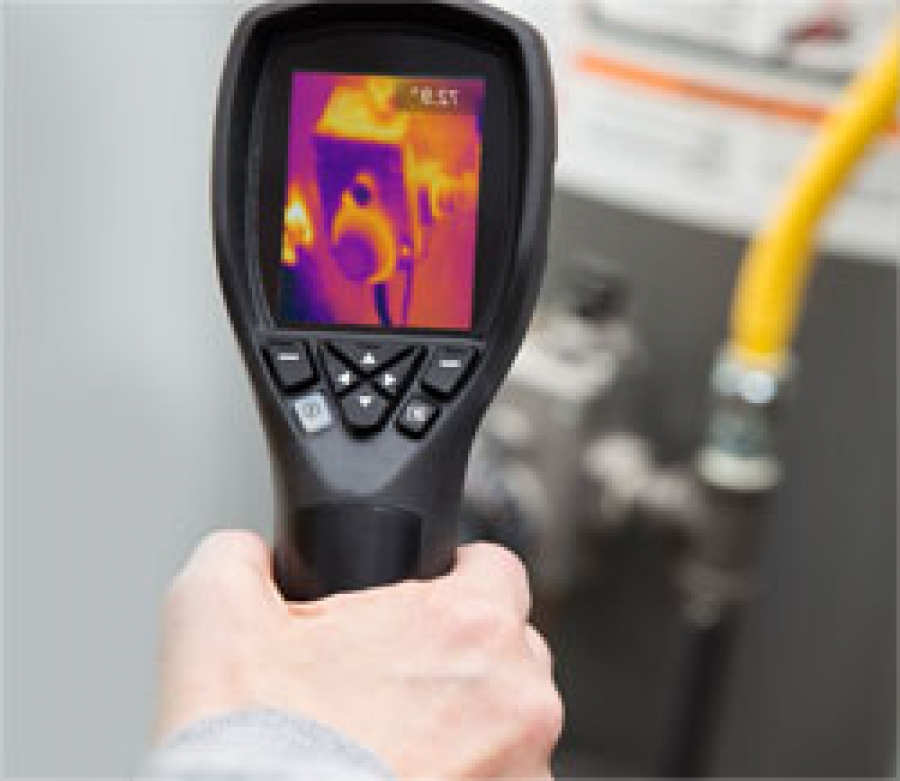
Early detection of dripping water lines can minimize a prospective catastrophe. Some tiny water leakages might not be noticeable.
1. Take A Look At the Water Meter
Every residence has a water meter. Checking it is a guaranteed way that aids you discover leaks. For beginners, shut off all the water resources. Guarantee no one will certainly flush, utilize the tap, shower, run the cleaning device or dish washer. From there, go to the meter and also watch if it will certainly change. Since no one is using it, there ought to be no motions. If it moves, that suggests a fast-moving leak. Furthermore, if you spot no changes, wait a hr or two as well as check back once again. This means you might have a sluggish leak that can even be underground.
2. Check Water Consumption
Analyze your water costs and also track your water consumption. As the one paying it, you need to discover if there are any discrepancies. If you find sudden changes, regardless of your intake being the same, it implies that you have leaks in your plumbing system. Bear in mind, your water expense should fall under the same variety each month. An abrupt spike in your expense suggests a fast-moving leakage.
Meanwhile, a constant boost monthly, despite having the very same behaviors, reveals you have a slow-moving leak that's additionally slowly escalating. Call a plumber to completely examine your home, specifically if you feel a warm area on your floor with piping beneath.
3. Do a Food Coloring Test
When it pertains to water consumption, 30% comes from toilets. Examination to see if they are running properly. Decrease specks of food shade in the tank as well as wait 10 minutes. There's a leak in between the storage tank and dish if the color somehow infiltrates your bowl during that time without flushing.
4. Asses Outside Lines
Do not fail to remember to examine your exterior water lines also. Test spigots by affixing a garden hose. Must water permeate out of the connection, you have a loose rubber gasket. Change this and ensure all links are limited. If you've got an automatic sprinkler, it will assist get it properly checked out and also maintained annually. One little leak can lose tons of water and surge your water costs.
5. Evaluate as well as Assess the Situation
House owners need to make it a behavior to examine under the sink counters and even inside cabinets for any bad odor or mold development. These two warnings show a leakage so timely focus is required. Doing regular evaluations, also bi-annually, can save you from a significant trouble.
Check for stainings and damaging as the majority of devices as well as pipelines have a life expectations. If you believe leaking water lines in your plumbing system, do not wait for it to intensify.
Early detection of dripping water lines can reduce a potential disaster. Some tiny water leaks might not be visible. Inspecting it is a proven method that helps you discover leakages. One tiny leak can lose bunches of water and surge your water costs.
If you suspect dripping water lines in your plumbing system, do not wait for it to escalate.
WARNING SIGNS OF WATER LEAKAGE BEHIND THE WALL
PERSISTENT MUSTY ODORS
As water slowly drips from a leaky pipe inside the wall, flooring and sheetrock stay damp and develop an odor similar to wet cardboard. It generates a musty smell that can help you find hidden leaks.
MOLD IN UNUSUAL AREAS
Mold usually grows in wet areas like kitchens, baths and laundry rooms. If you spot the stuff on walls or baseboards in other rooms of the house, it’s a good indicator of undetected water leaks.
STAINS THAT GROW
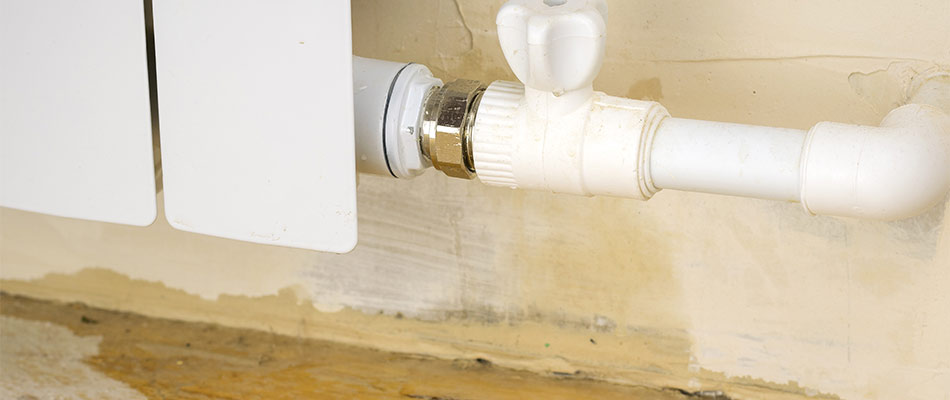
When mold thrives around a leaky pipe, it sometimes takes hold on the inside surface of the affected wall. A growing stain on otherwise clean sheetrock is often your sign of a hidden plumbing problem.
PEELING OR BUBBLING WALLPAPER / PAINT
This clue is easy to miss in rooms that don’t get much use. When you see wallpaper separating along seams or paint bubbling or flaking off the wall, blame sheetrock that stays wet because of an undetected leak.
BUCKLED CEILINGS AND STAINED FLOORS
If ceilings or floors in bathrooms, kitchens or laundry areas develop structural problems, don’t rule out constant damp inside the walls. Wet sheetrock can affect adjacent framing, flooring and ceilings.
https://www.servicemasterbyzaba.com/blog/how-to-detect-water-leakage-in-walls/
Do you appreciate reading about Top leak detection hacks? Give feedback below. We would be pleased to know your ideas about this post. Hoping to see you back again before long. Sharing is nice. You just don't know, you may just be doing someone a favor. Thanks for your time. Kindly pay a visit to our site back soon.